Optimal Timing for Water Treatments
Water treatments are essential for maintaining water quality and ensuring the safety of drinking water, industrial processes, and irrigation systems. Timing plays a critical role in maximizing the effectiveness of treatments, preventing contamination, and reducing operational costs.
Water treatments are most effective when aligned with seasonal changes, such as increased algae growth in summer or lower temperatures in winter, which can affect water quality.
Regular water treatment schedules help prevent buildup of minerals and contaminants, ensuring consistent water quality throughout the year.
Performing treatments before peak usage seasons, like before summer or dry months, can prevent issues related to high demand and water stagnation.
After storms or heavy rainfall, additional treatments may be necessary to address runoff and potential contamination.
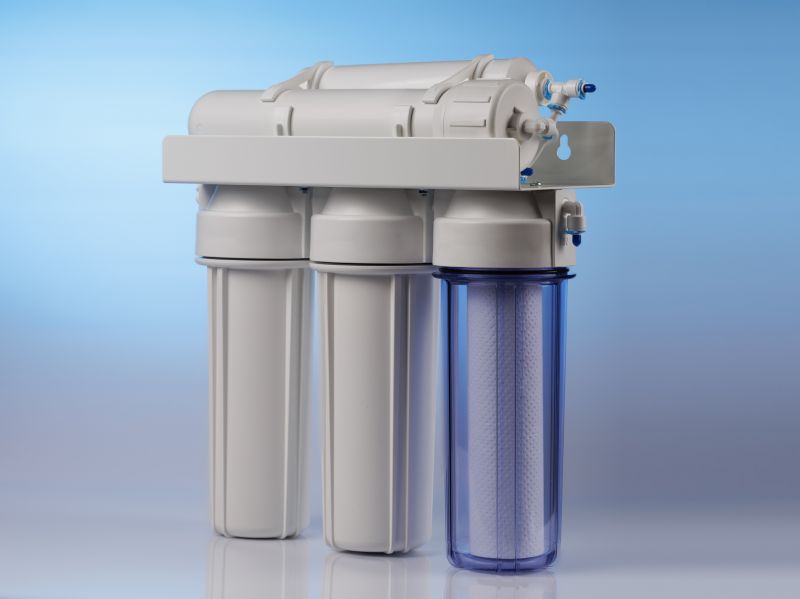
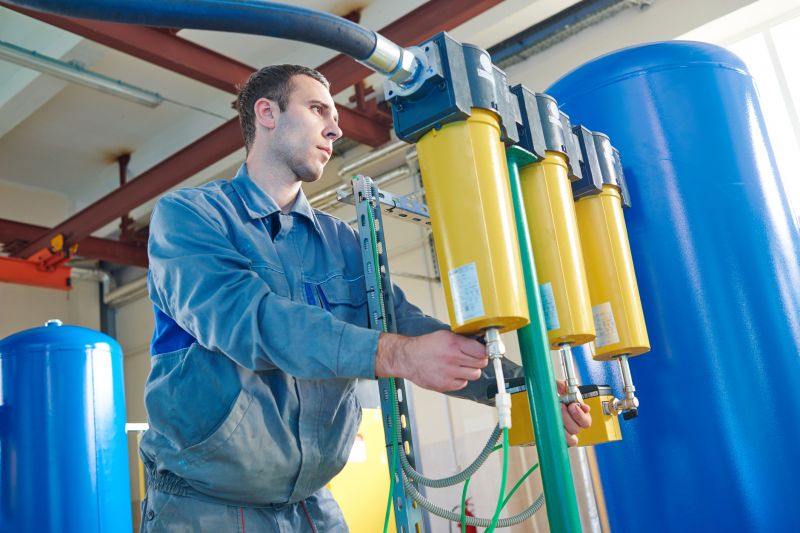
Filtration and chemical treatment methods are used to improve water quality.

Sensors and testing kits help track water parameters in real-time.
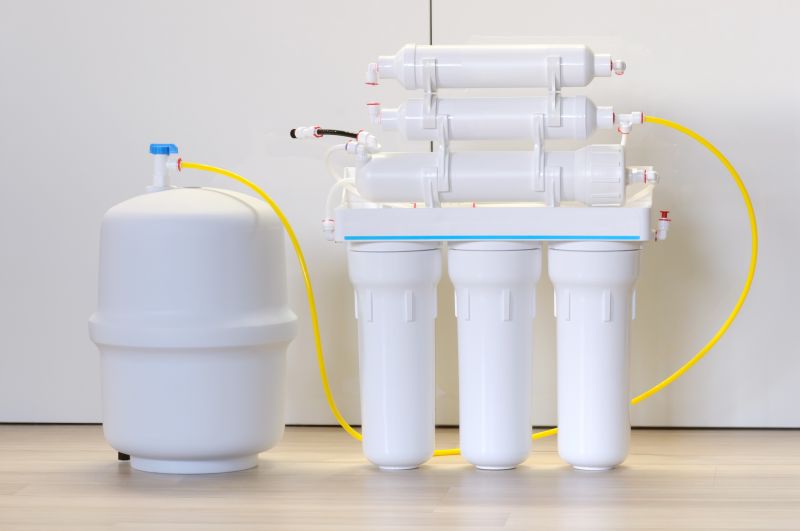
Advanced systems like UV sterilizers and chlorination units are essential for effective water treatment.
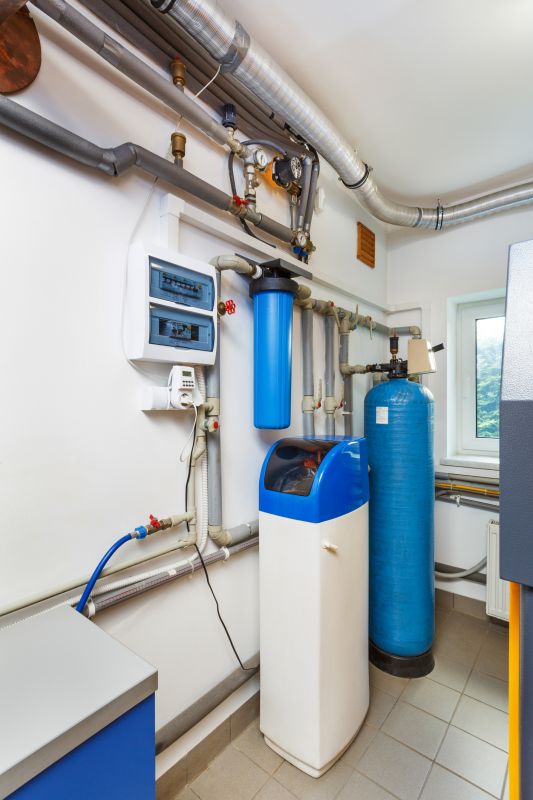
Ways to make Water Treatments work in tight or awkward layouts.
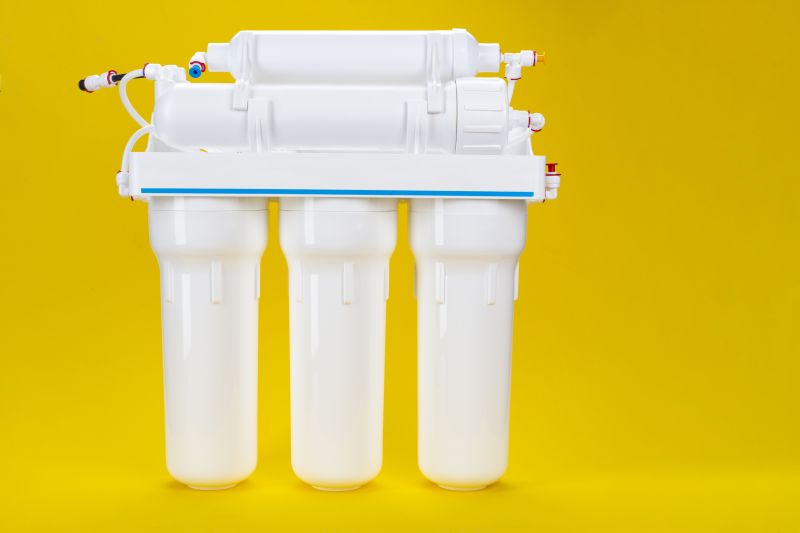
Popular materials for Water Treatments and why they hold up over time.
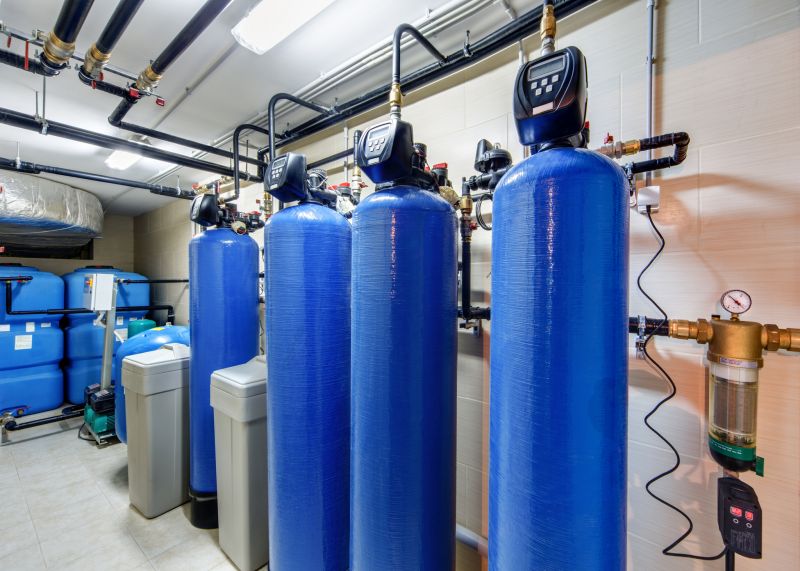
Simple add-ons that improve Water Treatments without blowing the budget.
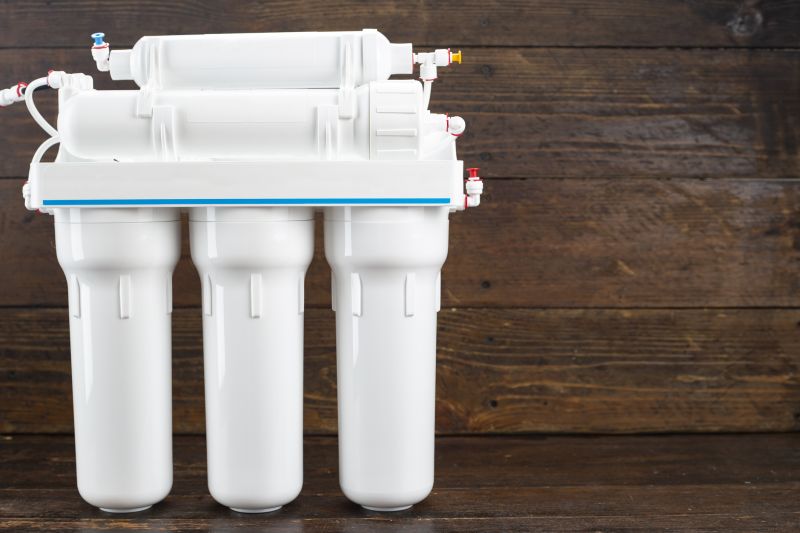
High-end options that actually feel worth it for Water Treatments.
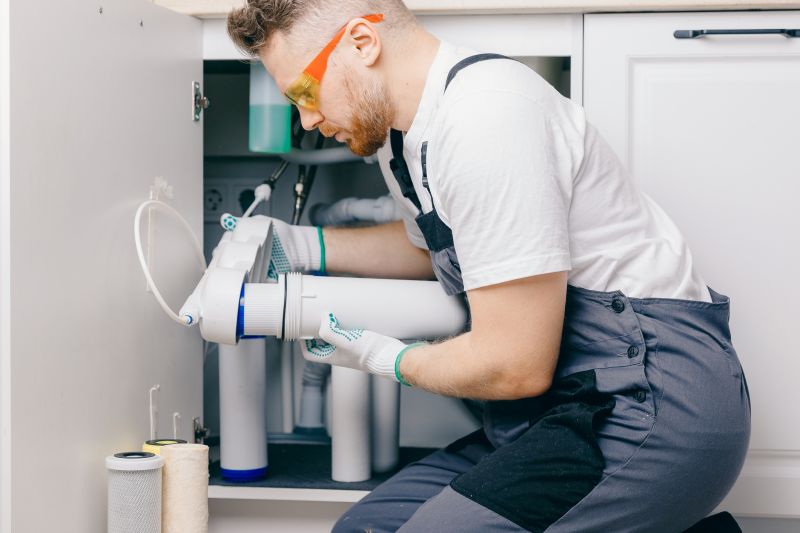
Finishes and colors that play nicely with Water Treatments.
| Optimal Timing Factors | Details |
|---|---|
| Seasonal Changes | Adjust treatments based on temperature and algae growth patterns. |
| Water Demand | Increase treatment frequency during peak usage periods. |
| Weather Events | Post-storm treatments to address runoff and contamination. |
| Water Source Quality | Regular testing to determine when additional treatment is needed. |
| System Maintenance | Perform treatments before scheduled maintenance for efficiency. |
| Regulatory Compliance | Align with local water quality regulations and standards. |
| Historical Data | Use past water quality data to predict optimal treatment times. |
| Operational Costs | Schedule treatments to optimize resource use and reduce expenses. |
Water treatments involve a combination of physical, chemical, and biological processes designed to remove contaminants and improve water quality. Proper timing ensures these processes work effectively, reducing the risk of waterborne illnesses and system failures. Statistics indicate that timely treatments can decrease microbial contamination incidents by up to 40 percent and extend the lifespan of treatment equipment by minimizing buildup and corrosion.
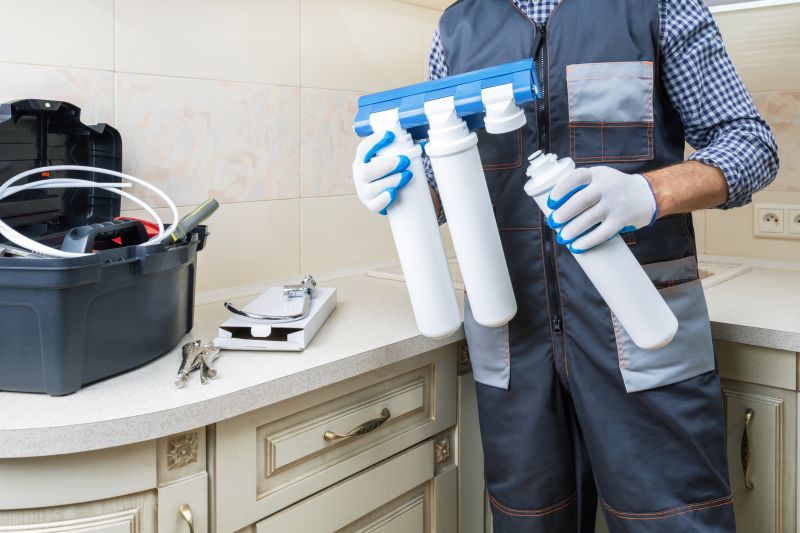
Chemical dosing systems ensure precise treatment timing.

Portable and fixed testing units monitor water quality continuously.
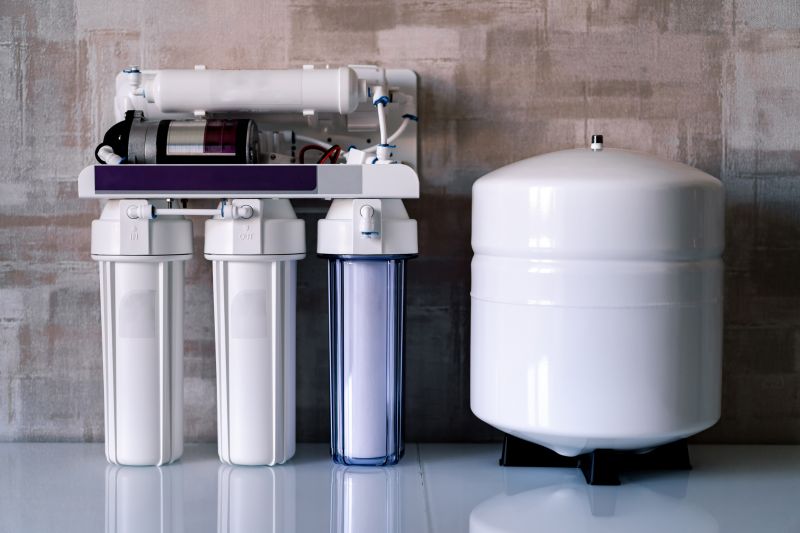
Multi-stage filters improve removal of particulates.
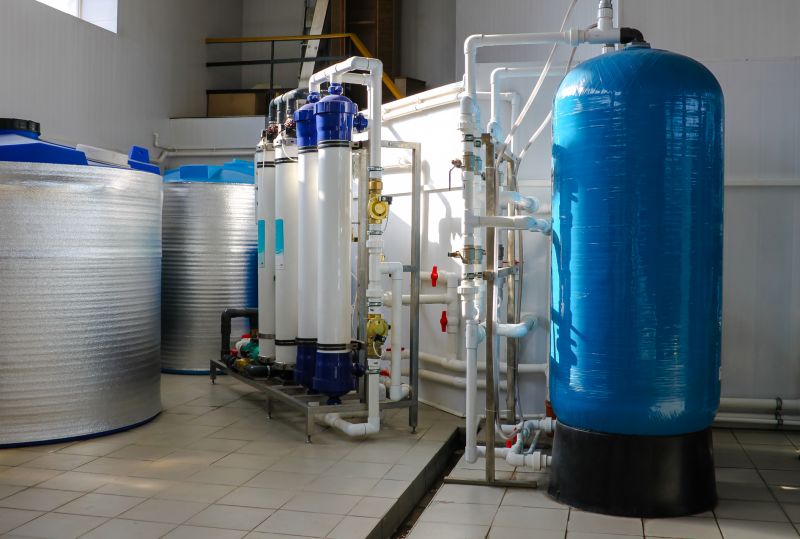
UV systems provide chemical-free sterilization.

Little measurements that prevent headaches on Water Treatments day.
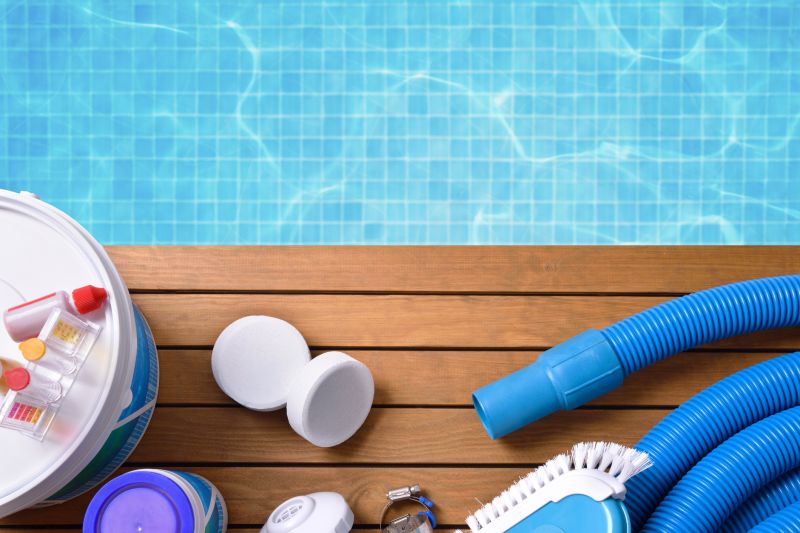
A 60-second routine that keeps Water Treatments looking new.
A frequent mistake in Water Treatments and how to dodge it.
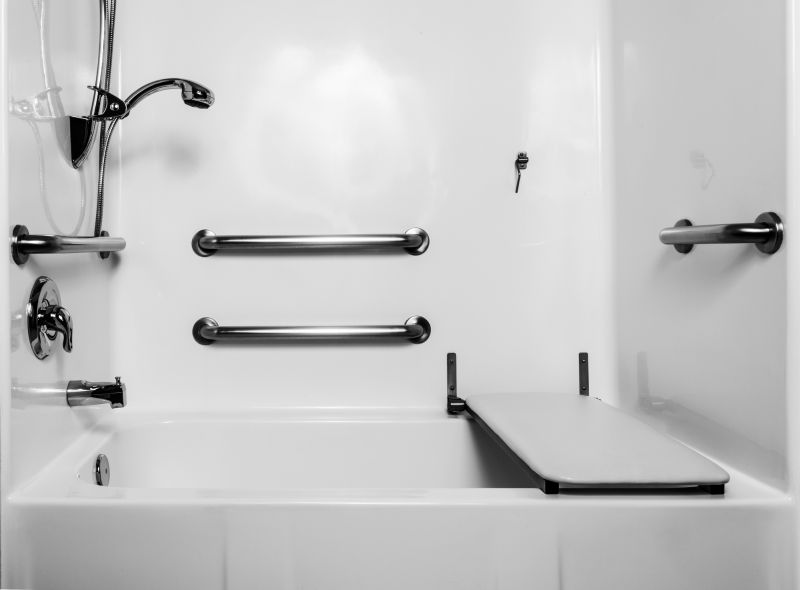
Small tweaks to make Water Treatments safer and easier to use.
Frequency depends on water source quality, usage, and regulatory standards, typically ranging from weekly to quarterly.
Yes, treatments are often scheduled based on seasonal variations to optimize water quality.
Indicators include changes in water color, taste, odor, or increased microbial counts.
Treatments should avoid periods of system shutdown or maintenance to ensure effectiveness.
Effective water treatment scheduling is vital for maintaining water safety and system longevity. Properly timed treatments can prevent costly repairs, reduce health risks, and ensure compliance with water quality standards. Regular assessment and monitoring are key components in identifying the best times for treatment and ensuring consistent water quality.
Interested in optimizing your water treatment schedule? Filling out the contact form provides an opportunity to discuss tailored solutions that meet specific water quality needs and operational requirements in Fort Lauderdale, FL.